CITA Energies, a division of the CITA Group, specializes in delivering fuel energy solutions. With over 18 years of experience.


img

CITA Energies News

CITA Energies Colloquium: Stakeholders Propose Solutions to Nigeria’s Jet Fuel Supply Challenges

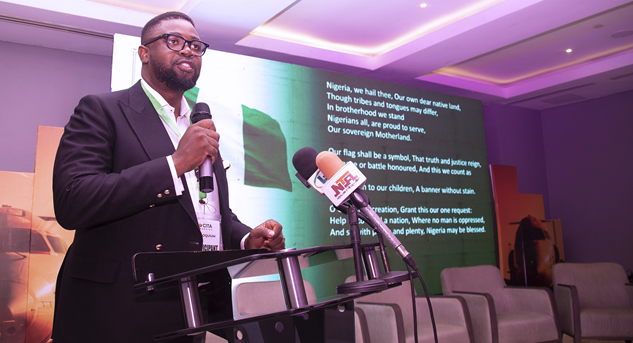
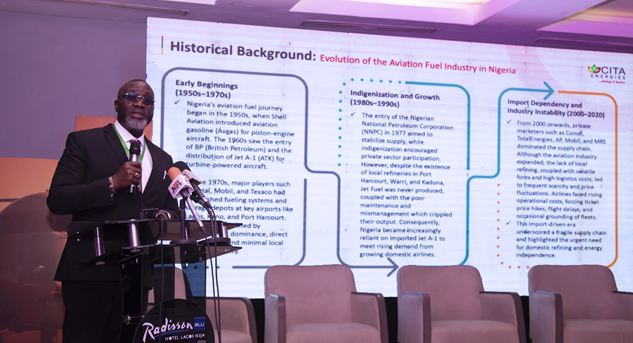
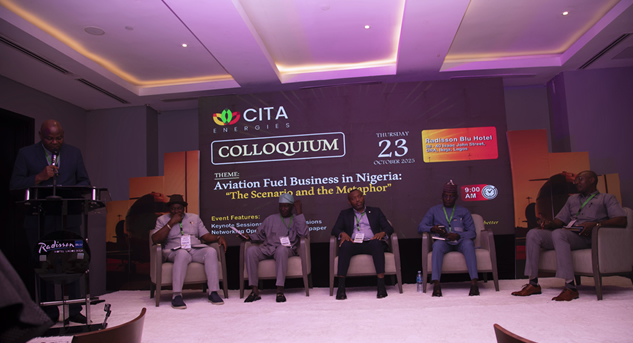
The CITA Energies Colloquium, held on October 23, 2025, at Radisson Blu Hotel, Lagos, with the theme “Aviation Fuel Business in Nigeria: Scenario and Metaphor.” The event brought together key stakeholders and experts in Nigeria’s Jet A1 aviation fuel sector to examine challenges, opportunities, and the future of aviation fuel supply in the country.

The colloquium featured presentations from industry leaders including Prince Thomas Ogungbangbe-PhD, CEO of CITA Energies Limited; Chris Ndulue, Managing Director of Ndano Energy and Chairman of the occasion; Richard Aisuebeogun, former Managing Director of Federal Airports Authority of Nigeria (FAAN); and Augustine Okon, former Managing Director of ADC Airlines. A panel session moderated by Ajibola Olayinka included industry professionals who further explored key issues affecting the aviation fuel value chain.

Discussions focused on Jet A1 pricing, supply availability, product quality, infrastructure gaps, and regulatory oversight within the aviation fuel subsector. Participants emphasized the need for stronger collaboration among regulators, airlines, and fuel marketers to improve efficiency and sustainability in the industry.

Key Resolutions from the Colloquium

  • Upgrade Aviation Fuel Infrastructure: Improve fuel storage, distribution systems, and install hydrant systems across airports to enhance efficiency and safety.
  • Improve Distribution Methods: Develop less cumbersome and safer fuel distribution channels to reduce reliance on road trucking and minimize operational risks.
  • Strengthen Regulatory Oversight: Aviation and petroleum regulators should focus more on economic and quality regulation of Jet A1 marketing.
  • Address Fuel Pricing and Availability: Since jet fuel accounts for about 40% of airline operating costs, authorities must address pricing, access, and quality concerns to sustain airline operations.
  • Ensure Forex Stability: Stable foreign exchange policies are necessary to support both airlines and aviation fuel marketers.
  • Encourage Industry Collaboration: Regulators such as the Nigerian Midstream and Downstream Petroleum Regulatory Authority and the Nigerian Civil Aviation Authority should collaborate with marketers to reduce operational costs such as trucking, demurrage, and delayed payments.
  • Support Refining Capacity with Competition: Participants commended the contribution of the Dangote Refinery in improving Jet A1 availability but stressed the importance of maintaining international standards and preventing monopoly.
  • Maintain Product Integrity: Strong emphasis was placed on maintaining strict quality assurance processes for aviation fuel to guarantee safety.
  • Develop a Dedicated Regulatory Framework: The industry requires specific policies guiding the Jet A1 subsector.
  • Explore Sustainable Aviation Fuel: Stakeholders should begin preparing for global transitions to sustainable aviation fuel alternatives.

Overall, participants emphasized the need to build a resilient and innovative aviation fuel sector in Nigeria, ensuring that every aircraft fueled in the country reflects reliability, safety, and the strength of the Nigerian aviation industry.
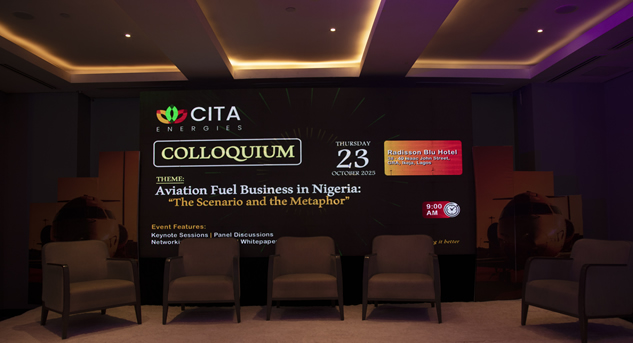
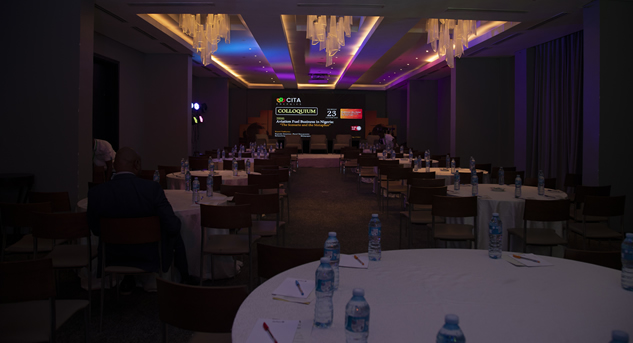
Photo Gallery

img
img
img
img
img
img
img
img
img
img
img
img
img
img
img
img
img
img
img
img
img
img
img
img
img
img
img
img
img
img
img
img
img
img
img
img
img
img